The Reset Trip

The Reset Trip: Why Taking Time Away Can Bring You Back to Yourself

There’s a quiet kind of magic in getting away — not just from work or routine, but from the noise that blurs your sense of self. A self-care “reset” trip isn’t about escape. It’s about realignment — returning to your life with a steadier mind, clearer energy, and a kinder relationship with your body and goals.

The Short Take: Why You Need It

Sometimes the best progress comes from pause. Reset trips — whether a weekend by the coast or a week in the mountains — create deliberate distance from the autopilot of daily life.
They help you:

  • Interrupt stress cycles before burnout sets in

  • Reconnect with intrinsic motivation instead of constant output

  • Restore focus and emotional bandwidth

  • Strengthen resilience and decision clarity

Think of it not as indulgence, but as maintenance for the human operating system.

The Science of Stepping Away

Research in cognitive restoration theory shows that environments offering “soft fascination” — nature, art, quiet streets — allow the prefrontal cortex to rest. That’s the region responsible for planning, decision-making, and self-control. A reset trip, even short, reboots that part of the brain that gets overused by constant attention-switching and digital overload. Result: sharper focus, better mood regulation, and higher creativity on return.

BenefitWhat Happens During a Reset TripLasting Impact
Cognitive RecoveryMental load decreases as environment changesImproved clarity and focus
Emotional RegulationNervous system exits “fight-or-flight” loopLower anxiety and irritability
Physical RenewalSleep and circadian rhythm recalibrateIncreased energy and immunity
Perspective ExpansionDistance reframes daily problemsRenewed motivation and gratitude

How to Plan a Reset Trip (Checklist)

You don’t need luxury. You need intention. Here’s a framework for designing your own reset experience:

1. Choose a place that changes your rhythm.
Think: somewhere slower than your current environment.

2. Leave space in your schedule.
If every hour is booked, you’re not resting — you’re just relocating stress.

3. Prioritize silence and sunlight.
Morning light anchors your mood and resets sleep hormones.

4. Limit digital connection.
Delete work apps or use phone-free blocks.

5. Bring something analog.
A journal, a paper book, a sketchpad — tools that slow you down.

6. End with a ritual of return.
Before coming home, write one sentence that summarizes what you want to remember.

What to Expect Emotionally

At first, you might feel restless. Your mind will keep reaching for tasks or timelines. This is withdrawal — the body adjusting to the absence of constant stimulus. Within 24–48 hours, however, the nervous system begins to settle. The result is a mix of lightness and clarity. You notice things — meals, sounds, your own breathing — that have faded into background noise. That awareness is the point.

Preparing to Step Away from Work (Without Chaos)

Many people skip breaks because they fear what will happen when they’re gone. With a few smart moves, your time away can be smooth and stress-free:

1. Communicate early.
Tell clients and teammates about your dates well in advance. Set an out-of-office message that directs urgent matters elsewhere.

2. Delegate or automate.
If you’re self-employed, consider hiring a virtual assistant to manage email or handle routine tasks.

3. Pre-clear your workload.
Tackle high-priority projects ahead of time so you don’t leave with loose ends.

4. Share clear handover notes.
Whether you’re part of a team or solo, create a document summarizing current status and next steps.

When a Reset Isn’t a Luxury — It’s Prevention

People often wait until exhaustion forces a break. But self-care, practiced early, prevents collapse later. Reset trips function like recalibrating an instrument — keeping you in tune rather than repairing damage. The paradox is that when you rest before you “need” to, you rarely hit full burnout.

FAQ

Q: How long does a reset trip need to be?
A: Even 48 hours away from your usual environment can reset your nervous system. Consistency matters more than duration.

Q: What if I can’t travel far?
A: Proximity isn’t the metric — novelty is. A nearby cabin, coastal town, or even a friend’s guest room can offer enough environmental contrast.

Q: How often should I do this?
A: Aim for one mini-reset each quarter. Frequency helps maintain balance instead of waiting for exhaustion.

Q: How do I know it’s “working”?
A: You’ll notice it in your reactions — less reactivity, more perspective, and a quiet sense of readiness to re-engage.

A Useful Resource for Planning Mindful Time Away

If you want a structured approach to planning retreats that combine rest and renewal, the Center for Mindful Self-Compassion offers excellent online and in-person programs designed to deepen awareness and reduce stress. They’re secular, evidence-based, and accessible globally.

Final Reflection

The world rewards momentum, but it’s awareness that sustains it. A reset trip reminds you that presence is not passive — it’s maintenance for your mental and emotional engine. With the right preparations at home and work, you’ll feel a lightness during the trip that stays with you.

The Freedom Blueprint: How to Become a Digital Nomad in 2025

Digital Nomad

You’ve seen it — that photo of someone working from a hammock or a café overlooking turquoise water. It’s not fantasy anymore. The digital nomad lifestyle lets you blend meaningful work with freedom, as long as you’re intentional about your setup. Here’s how to turn the dream into a durable, balanced way of life.

TL;DR

To live and work remotely from anywhere, you’ll need:

  • A stable income stream

  • Portable tools and reliable internet

  • A plan for visas, money, and insurance

  • A discipline-first mindset — freedom follows structure


The 5-Step Roadmap to Going Nomad

StepFocusHelpful Resource
1. Define Your “Why”Identify your motivation: freedom, growth, or escape from burnout.Mindvalley Vision Board Tips
2. Pick a Remote-Friendly CareerOptions include writing, design, teaching, and customer support.We Work Remotely
3. Build an Online Income StreamFreelance, consult, or launch a service-based side business.Upwork
4. Test Your SetupTry a short remote stint locally before going international.Nomad List
5. Sort Out FinancesManage global payments with digital banking tools.Revolut

How to Build Your Nomad Workflow

  1. Set up your workspace. Choose a calm spot with good Wi-Fi — coworking spaces are ideal for focus and community.

  2. Stay organized solo. Use an individual-friendly app like Todoist to track projects, clients, and time zones.

  3. Protect your connection. A VPN like ProtonVPN keeps your data safe when using public Wi-Fi.

  4. Keep a rhythm. Block work hours, rest days, and local adventures — balance is the secret weapon of long-term nomads.

  5. Back everything up. Cloud storage saves you from tech disasters while abroad.


Nomad Travel Packing List

  • Passport + digital copies in cloud storage

  • Global health insurance

  • VPN for secure connections

  • Backup SIM or portable Wi-Fi hotspot

  • Noise-canceling headphones

  • 3–6 months of savings buffer

  • International debit or credit card


Quick FAQ

Q1: How much should I save before leaving?
Aim for at least $5,000–$8,000 — it gives you breathing room while adjusting to travel life.

Q2: Do I need to be self-employed?
No. Many full-time employees negotiate remote flexibility.

Q3: How do I meet other nomads?
Try coliving communities or networks like Outsite to connect with like-minded travelers.

Upskill While You Explore

If you want to stay competitive, keep learning as you move. Online education makes it easy to grow your skills between flights and client calls. Consider this: You can enroll in flexible programs that fit around travel schedules — from technology degrees to marketing certificates.

Explore options from institutions that offer self-paced, accredited online programs designed for working professionals.

Why it matters: Continuous learning gives you leverage — the freedom to choose clients and projects on your terms.

Featured Resource: Smarter Travel Planning

Before booking your next trip, use Skyscanner to find flexible, multi-city flights. You can track prices and explore destinations “everywhere” for spontaneous yet budget-friendly routes.

Mini Self-Audit Checklist: Are You Nomad-Ready?

  • I can earn income remotely

  • I have savings for at least 3 months

  • My work doesn’t rely on a fixed location

  • I’m disciplined about time and goals

  • I’ve researched visa and tax rules

  • I have backup internet and cloud storage

  • I’m ready to live light and move often


In Closing

Becoming a digital nomad isn’t just a lifestyle shift, it’s a mindset change. You’re not escaping the 9-to-5; you’re designing your own rhythm. With preparation, adaptability, and curiosity, you can make the world your workspace — one Wi-Fi connection at a time.

The Algarve remains the best place in the world today to retire overseas.

The Algarve, Portugal Takes Top Honors Yet Again!

For the fifth year in a row, The Algarve remains the best place in the world today to retire overseas.

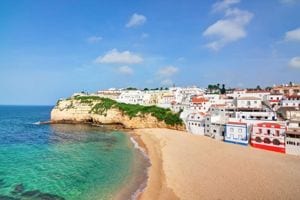
A view of the coast of the Algarve region in Portugal, with blue and green water and bright trimmed houses.From health care to beaches, The Algarve has something for everyone in Portugal.

But what is it that makes the Algarve so special? The weather is a good place to start. There is sunshine throughout the year and the winters are short and mild. You will never have to shovel snow again. The Algarve receives over 3000 hours of sunshine per year. From May until the end of August there are 12 hours of glorious sunshine per day. The expat community is well established and welcoming.

The medical facilities and health care are affordable and high quality with two major hospitals close by. There are undervalued properties, including ocean views available to suit all budgets. English is widely spoken, thanks to the longstanding British presence. The infrastructure is first class, and you can easily get around the Algarve. The well maintained roads allow for easy access to the rest of Portugal and into the rest of Europe. Portugal’s retiree residency program rolls out the welcome mat for foreign pensioners who they are attracting in greater numbers each year. The Golden Visa process has also been made. Source: Liveandinvestoverseas.com

Algarve West Coast Road Trip.

The Algarve West Coast. Some of the best coastal scenery in Europe awaits you here, pristine, deserted beaches and rugged cliffs will captivate you.

Fishing villages, deserted beaches, rugged cliffs and views, views and more views!

Some of the best coastal scenery in Europe awaits you here, pristine, deserted beaches and rugged cliffs will captivate you. Take the A22 or EN125 to Lagos, Lagos is a day trip all on its own so don’t include it on this itinerary there is simply not the time. Continue west along the EN125. At Vale Verde turn left on the EN537 to visit Praia da Luz and Burgau. Don’t turn north at Burgau keep going west along a much smaller coast road to Salema. These are all small fishing villages that are popular but not swamped with tourism. Great fish restaurants in all of them.2004 hols nigels camera 008

Changes in Scenery and landscape

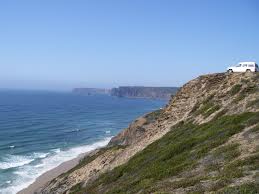
Head north again until you hit the EN125 again and head west in the direction of Villa do Bispo and Sagres. You will notice that the landscape has changed drastically, very few trees and quite windswept, not unlike Cornwall in the UK, for much the same reason. At Sagres visit the Fortaleza de Sagres and the Cabo de Sao Vicente light house. The cliffs here are spectacular albeit dangerous, don’t go too close to the edge! You are also at the most South Western corner of Europe.West coast 1

Retrace your steps to Vila do Bispo and find the north west corner of the village near the market, head out on the M1265 to Praia do Castelejo, this is one of the best unspoiled beaches in the Algarve, if not Portugal. Back to Vila do Bispo and then head north on the EN268. There are about a dozen small tracks that head west off this road to some spectacular and remote beaches, each about 4kms long, you may need a 2nd day to try some of these. Head north and (don’t miss this section), just 2-30 meters before the quaint village of Carrapateira there is a turn to the left that goes south west to Praia do Amado and from here a wonderful cliff top road that runs north, don’t take a right turn to Carrapateira but continue along the cliff road. There are some great cliff top board walks you can go on. Eventually this road will look down on Praia do Bordeira which is a kite surfers paradise and end up back on the EN268.

Historic Aljezur

Head north again. The EN268 will join the EN120 continue north in the direction of Aljezur which is an old village to explore with a castle and some excellent traditional restaurants. Drive through the narrow streets and keep going uphill to the castle (to save your legs). A few kms before Aljezur you will have passed a turning to the coast, if you have time, track-back and take the M1003-1 to Praia da Arrifana, a surfers haven with stunning scenery, fishing harbour and a small fort that was badly damaged by a tsunami in 1755 which stands atop a 200 foot cliff, yes a tsunami, seriously.

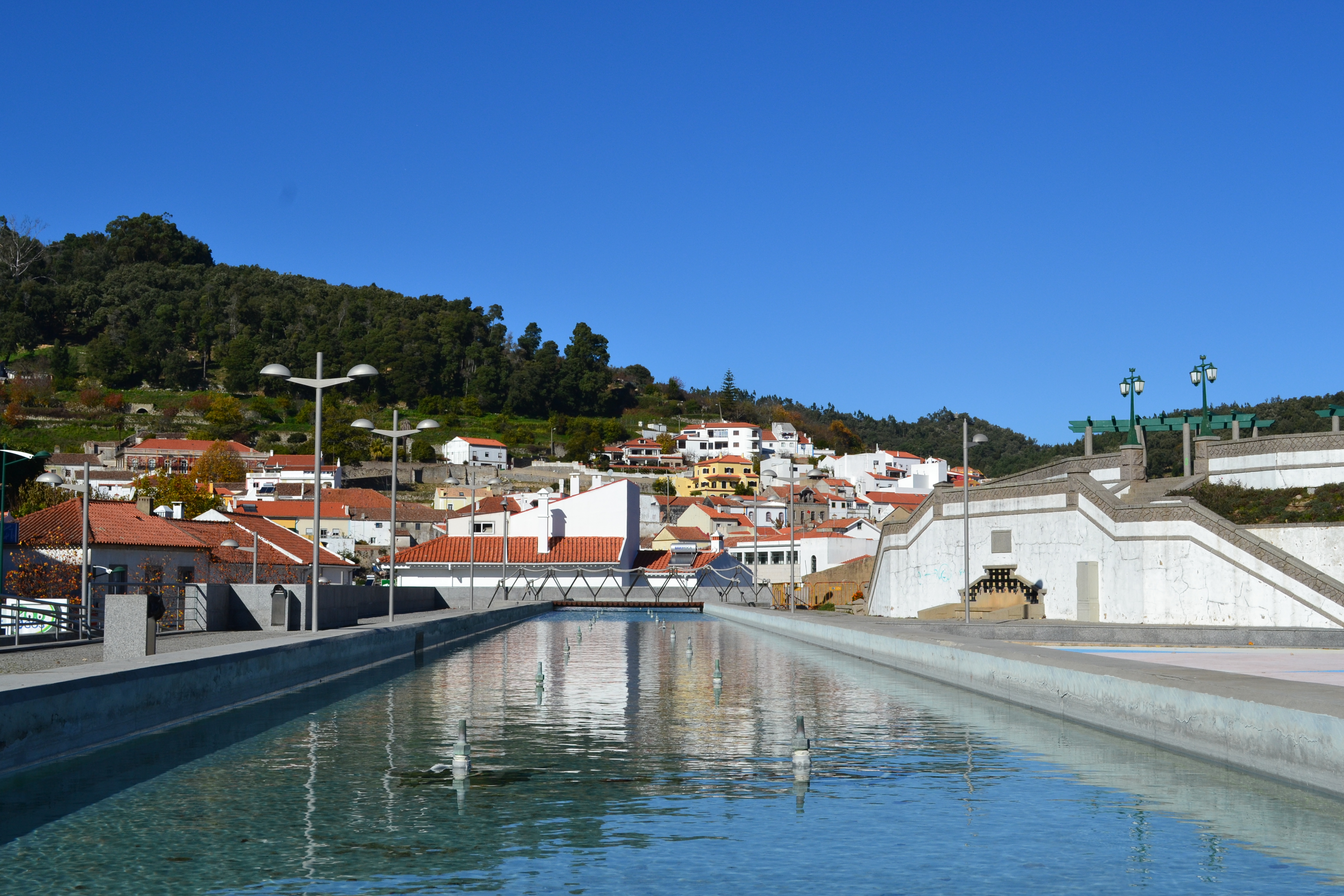
DSC_0251At this point you can turn back on the EN120 to Lagos about an hours drive. Or from Aljezur take the EN267 in an easterly direction towards Monchique. This is a delightful route via the village of Marmelete and then along a contour road to the EN266 just south of Monchique, turn right in the direction of Portimao, this route will take about one hour 15 minutes.

Algarve has Perfect Weather for a Convertible

300 days of sunshine each year make holidays in the Algarve  very popular and driving a convertible a real pleasure. No better place to get your top down! Sightseeing couldn’t be better, secluded coves along the coast or panoramic views from Foia.

Honda S2000 in the Algarve

300 days of sunshine each year make holidays in the Algarve  very popular and driving a convertible a real pleasure. No better place to get your top down! I have to say though when we lived in the Algarve full-time, during July and August, the top only came down for half an hour or so then up it went and airco on. Those months are just too hot to drive without airco! The rest of the year though is perfect and now that we only spend winters here we take every opportunity to zip around the twisties here in Monchique with the wind in my (grey) hair! (Weather Statistics)

Enjoying the "Twisties" in our Honda S2000
Enjoying the “Twisties” in our Honda S2000

We also try to get away for a few days here and there, New Year in Cadiz Spain, the weather was glorious with temps in the high teens, no rain and blue sky, a great trip, only spoiled by the rudeness of the local Spanish people. Well there you go symptoms of Brexit perhaps?

We love to tour Portugal there are so many interesting places to visit, stacked with culture, history and excellent food, any excuse and we off to somewhere and above all the people are polite and friendly, Portugal is England’s oldest ally!

Javali (wild boar) not usually this curious!

One of our favourite places to visit is Tomar, it has a Monastery and castle of the Knights Templars well worth seeing, the town is picturesque with great restaurants.

Algarve Road Trips

There are plenty of day road trips from our Villa Rental in the Algarve and also into the Alentejo, the next province north of here. We often explore and redo trips to Sagres the most south-western point of Europe and from there the west coast right up to the Alentejo border.  Easily done in a day with a stopover at one of the many restaurants along the way. Spectacular unspoiled scenery around every corner.

Our Honda is popular with the wildlife too, this Javali, (wild boar) was inquisitive and kindly left his muddy nose print on my pride and joy, bless him!

Slalom at one of the Portuguese Honda S2000 weekends in the north of Portugal.

Honda S2000 slalom in Viseu Portugal

Winters day on the west coast of the Algarve.

A typical winters day on the west coast of Portugal

The Most Affordable Sunshine in Europe!

Source: Telegraph.co.uk

The vote for Brexit hit British travelers in the wallet, but trips to Portugal soften the blow. Yes, it takes the euro, but the country remains one of the most affordable destinations on the Continent, offering visitors the elegance of Western Europe at Eastern European prices. In fact, in its 2017 Holiday Money Report, the Post Office Travel Money declared The Algarve the cheapest of 44 European destinations. Families can find particular savings in the shoulder seasons, at October half term, for example, when family hotels still have great sports and kids’ clubs, but at lower prices than in the summer months. Why not check out our rates: Villas in Algarve for rent (rates)

Portugal is officially one of the sunniest countries in the world, and at the height of the summer visitors to the Algarve can expect temperatures of 28C and 11 hours of sunshine daily (and about one day per month of rain).

Even if you go for October half term, you are likely to find appealing weather: 22C, with seven hours of sun daily (which beats the 14C and three hours of sunshine you’ll find in Blighty at the same time of year).

May half term is an even better bet: the crowds are fewer, you can expect temperatures of around 25C, and 10 hours of sunshine each day, with little chance of rain. Check out  Algarve weather temperatures and rainfall statistics.

Holiday makers with children are pretty much restricted to school holidays, however the rest of us can pick and choose when we want to go on vacation, often beating the hottest weather in the summer months and the crowds as well. Have a look at our availability and see if there are dates that night suit you. Also look at our special offers you might be in for a bargain.

Travel Magazine