

The Reset Trip: Why Taking Time Away Can Bring You Back to Yourself
There’s a quiet kind of magic in getting away — not just from work or routine, but from the noise that blurs your sense of self. A self-care “reset” trip isn’t about escape. It’s about realignment — returning to your life with a steadier mind, clearer energy, and a kinder relationship with your body and goals.
The Short Take: Why You Need It
Sometimes the best progress comes from pause. Reset trips — whether a weekend by the coast or a week in the mountains — create deliberate distance from the autopilot of daily life.
They help you:
- Interrupt stress cycles before burnout sets in
- Reconnect with intrinsic motivation instead of constant output
- Restore focus and emotional bandwidth
- Strengthen resilience and decision clarity
Think of it not as indulgence, but as maintenance for the human operating system.
The Science of Stepping Away
Research in cognitive restoration theory shows that environments offering “soft fascination” — nature, art, quiet streets — allow the prefrontal cortex to rest. That’s the region responsible for planning, decision-making, and self-control. A reset trip, even short, reboots that part of the brain that gets overused by constant attention-switching and digital overload. Result: sharper focus, better mood regulation, and higher creativity on return.
| Benefit | What Happens During a Reset Trip | Lasting Impact |
| Cognitive Recovery | Mental load decreases as environment changes | Improved clarity and focus |
| Emotional Regulation | Nervous system exits “fight-or-flight” loop | Lower anxiety and irritability |
| Physical Renewal | Sleep and circadian rhythm recalibrate | Increased energy and immunity |
| Perspective Expansion | Distance reframes daily problems | Renewed motivation and gratitude |
How to Plan a Reset Trip (Checklist)
You don’t need luxury. You need intention. Here’s a framework for designing your own reset experience:
✅ 1. Choose a place that changes your rhythm.
Think: somewhere slower than your current environment.
✅ 2. Leave space in your schedule.
If every hour is booked, you’re not resting — you’re just relocating stress.
✅ 3. Prioritize silence and sunlight.
Morning light anchors your mood and resets sleep hormones.
✅ 4. Limit digital connection.
Delete work apps or use phone-free blocks.
✅ 5. Bring something analog.
A journal, a paper book, a sketchpad — tools that slow you down.
✅ 6. End with a ritual of return.
Before coming home, write one sentence that summarizes what you want to remember.
What to Expect Emotionally
At first, you might feel restless. Your mind will keep reaching for tasks or timelines. This is withdrawal — the body adjusting to the absence of constant stimulus. Within 24–48 hours, however, the nervous system begins to settle. The result is a mix of lightness and clarity. You notice things — meals, sounds, your own breathing — that have faded into background noise. That awareness is the point.
Preparing to Step Away from Work (Without Chaos)
Many people skip breaks because they fear what will happen when they’re gone. With a few smart moves, your time away can be smooth and stress-free:
1. Communicate early.
Tell clients and teammates about your dates well in advance. Set an out-of-office message that directs urgent matters elsewhere.
2. Delegate or automate.
If you’re self-employed, consider hiring a virtual assistant to manage email or handle routine tasks.
3. Pre-clear your workload.
Tackle high-priority projects ahead of time so you don’t leave with loose ends.
4. Share clear handover notes.
Whether you’re part of a team or solo, create a document summarizing current status and next steps.
When a Reset Isn’t a Luxury — It’s Prevention
People often wait until exhaustion forces a break. But self-care, practiced early, prevents collapse later. Reset trips function like recalibrating an instrument — keeping you in tune rather than repairing damage. The paradox is that when you rest before you “need” to, you rarely hit full burnout.
FAQ
Q: How long does a reset trip need to be?
A: Even 48 hours away from your usual environment can reset your nervous system. Consistency matters more than duration.
Q: What if I can’t travel far?
A: Proximity isn’t the metric — novelty is. A nearby cabin, coastal town, or even a friend’s guest room can offer enough environmental contrast.
Q: How often should I do this?
A: Aim for one mini-reset each quarter. Frequency helps maintain balance instead of waiting for exhaustion.
Q: How do I know it’s “working”?
A: You’ll notice it in your reactions — less reactivity, more perspective, and a quiet sense of readiness to re-engage.
A Useful Resource for Planning Mindful Time Away
If you want a structured approach to planning retreats that combine rest and renewal, the Center for Mindful Self-Compassion offers excellent online and in-person programs designed to deepen awareness and reduce stress. They’re secular, evidence-based, and accessible globally.
Final Reflection
The world rewards momentum, but it’s awareness that sustains it. A reset trip reminds you that presence is not passive — it’s maintenance for your mental and emotional engine. With the right preparations at home and work, you’ll feel a lightness during the trip that stays with you.


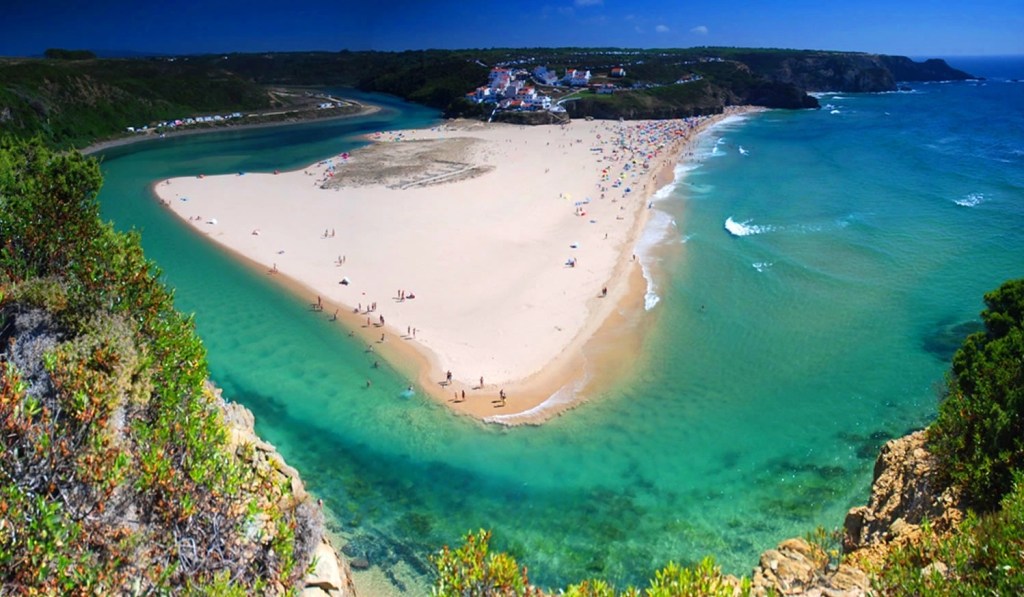











 You will be gradually climbing the wooded foothills of the Serra and will come across a famous Spa village, Caldas de Monchique, turn off here and walk this tiny but fascinating village, you may get to see bread being made in the communal ovens, walk the shaded pathways to the thermal streams, or indulge in rituals at the spa itself.
 Continue upwards to the town of
 Again the coastal views are spectacular, you will also look down on the Oudelouca dam wall. Stay on this road until you hit a T junction, turn left in the direction of Alferce. Take a drive through the village, just a typical sleepy mountain village where sleeping dogs will not raise an eyebrow as you pass by. Follow signs back to Monchique.

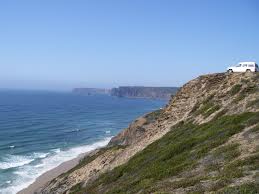
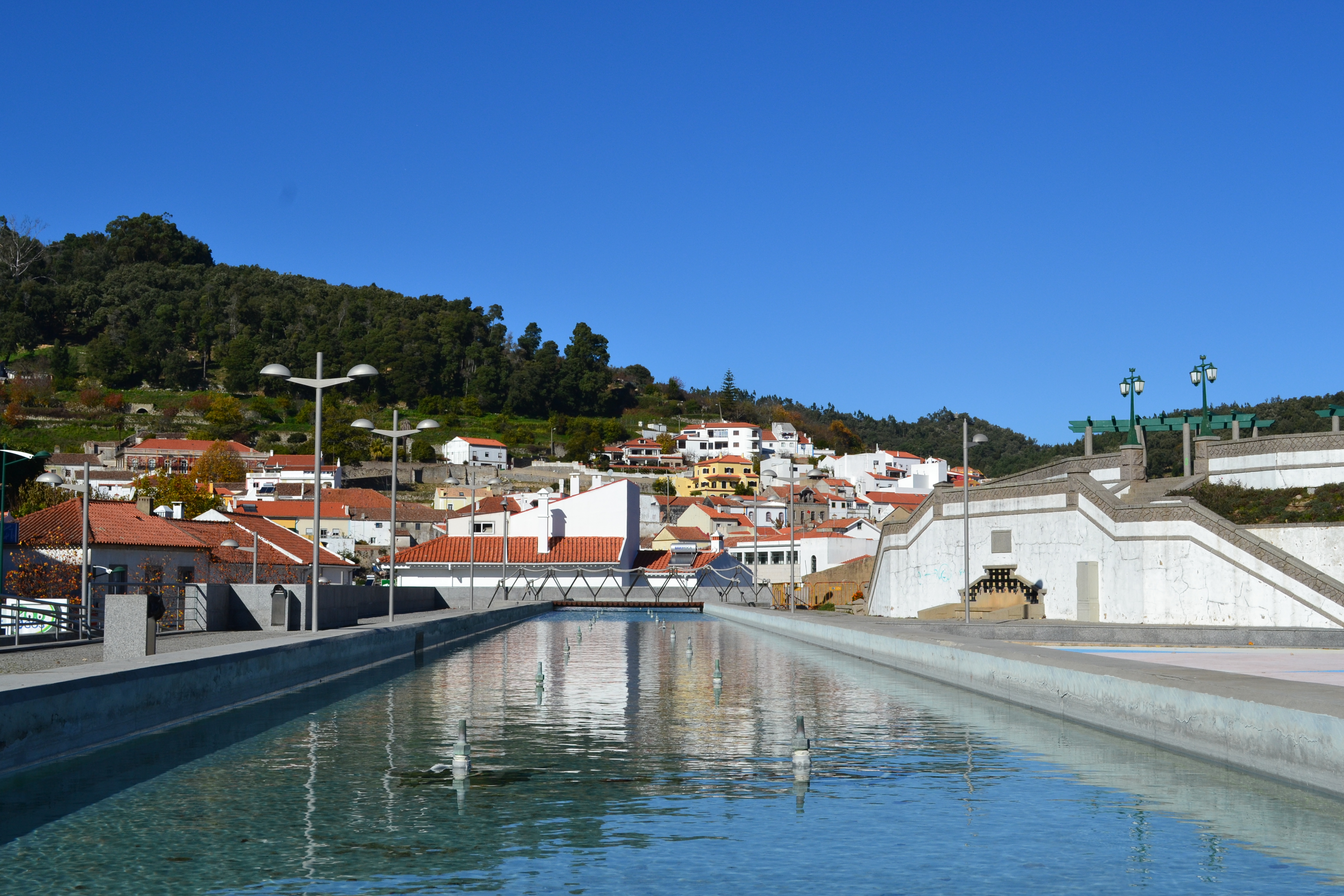 At this point you can turn back on the EN120 to Lagos about an hours drive. Or from Aljezur take the EN267 in an easterly direction towards Monchique. This is a delightful route via the village of Marmelete and then along a contour road to the EN266 just south of Monchique, turn right in the direction of Portimao, this route will take about one hour 15 minutes.
 Awesome Algarve
You must be logged in to post a comment.